
What a Graphic Designer for Brands Actually Does

If you think a graphic designer for brands just picks fonts and adjusts logos, we need to talk.
Design isn’t decoration. It’s decision-making. It’s alignment. It’s translating strategy into something people can see, understand, and trust. And when it’s done well, it doesn’t just make a brand look better—it makes marketing work better.
So what does a graphic designer for brands actually do?
They Build Systems, Not Just Assets
Anyone can design a single great-looking piece. A landing page. A brochure. A slide. But brands don’t live in one-off pieces. They live in ecosystems.
They show up in sales deck design, campaign visuals, ebook and white paper design, social templates, internal presentations, and event and environmental graphics. Without a cohesive system behind them, those pieces start to drift. The typography shifts slightly. The color palette expands unofficially. Layout rules get ignored under deadline pressure.
A true graphic designer for brands builds visual systems—type hierarchies, grid structures, spacing logic, reusable templates—so everything feels connected. That’s brand consistency design in action. It’s not restrictive; it’s empowering. It gives teams clarity so they can move faster without breaking the brand.
They Protect Brand Consistency (Especially When Things Get Busy)
Marketing teams don’t operate in calm, controlled environments. They operate in real time.
Campaign launches. Product updates. Trade shows. Quarterly pushes. New messaging directions. Tight timelines.
In that kind of environment, brand consistency design becomes essential. Small inconsistencies compound quickly. A slightly off-color here. A different headline treatment there. A deck that “almost” feels on brand. Individually, these are minor. Collectively, they weaken perception.
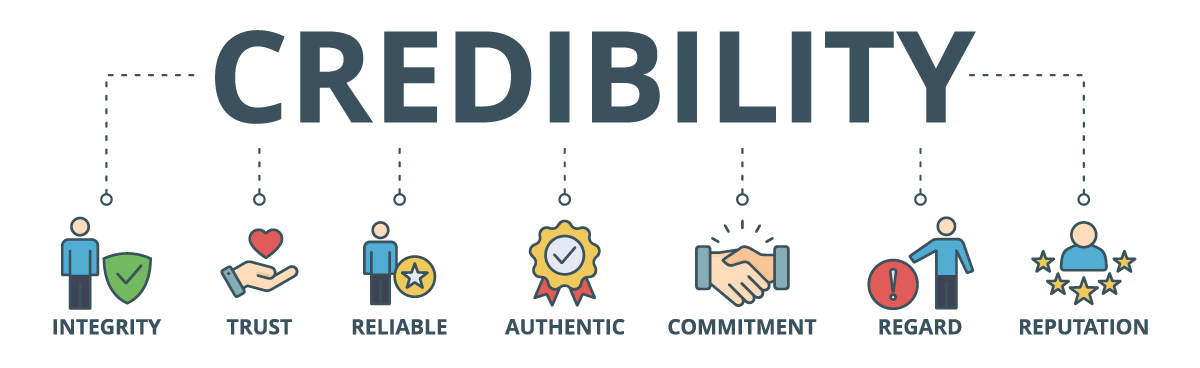
Consistency builds familiarity. Familiarity builds trust. And trust builds revenue.
A seasoned corporate design expert understands that brand integrity isn’t about rigid rules—it’s about protecting clarity across every touchpoint, whether it’s a high-stakes sales deck design or large-scale event and environmental graphics.
They Translate Strategy Into Visual Language
Brand strategy often lives in documents. Positioning statements. Audience personas. Messaging frameworks.
But customers don’t experience strategy in a PDF. They experience it visually.
A graphic designer for brands interprets what “premium but approachable” actually looks like. They determine how visual hierarchy can support a complex value proposition. They design layouts that respect the attention span of a busy executive reading an ebook and white paper design. They structure information the way an experienced infographic designer would—so data becomes insight instead of noise.
This is where design stops being subjective and starts being strategic.
They Think Beyond the Logo
Logos matter. But they are only the entry point.
Real brand leadership shows up in the systems that surround the logo: presentation frameworks, scalable marketing templates, production-ready campaign assets, and guidelines that actually get used. Strong production design for marketing teams ensures that as content scales, the brand scales with it.
This is often the difference between hiring a designer to execute tasks and working with someone whose creative director portfolio reflects strategic oversight. The latter sees the big picture. They understand how one asset connects to the entire brand narrative.
They Make Marketing More Efficient
One of the most overlooked benefits of working with a graphic designer for brands is operational efficiency.
When typography is defined, templates are thoughtfully built, spacing rules are consistent, and asset libraries are organized, everything moves faster. Campaigns launch more smoothly. Revisions decrease. New team members onboard more quickly. Marketing doesn’t reinvent the wheel with every new initiative.
Strong design systems reduce friction. And reducing friction is a business advantage.
Design Is Problem-Solving With Style
At its core, design is problem-solving with style. It’s not about making something trendy or flashy. It’s about making it clear.
Clear positioning. Clear hierarchy. Clear communication.
When clarity meets consistency, brands feel confident. And confident brands convert.
The Bottom Line
A graphic designer for brands isn’t there to “make it pretty.” They build scalable systems, protect brand consistency, translate strategy into visual language, and support marketing teams as they grow.
Pretty is easy.
Purposeful is powerful.
Ready for a More Cohesive Brand?
If your materials feel disconnected—or your marketing team is scaling faster than your brand system can handle—it may be time to bring in strategic design leadership.
Want to bring clarity and consistency to your brand content? Let’s talk.